



 Latest News
Vitamin B12 Deficiency in India
Vitamin B12 deficiency is a widespread, endemic public health problem in India.
Vitamin B12
- It is a water-soluble vitamin that contains cobalt and is therefore scientifically called cobalamin.
- The body can store vitamin B12 for 2 to 5 years, and it can get rid of any excess or unwanted vitamin B12 in the urine.
- The body stores vitamin B12 in the liver.
- It is a vitamin the body uses to make and support healthy nerve cells.
- It’s also used to make healthy red blood cells and the genetic material inside cells called DNA.
- Your body cannot produce B12 on its own, so it must be obtained through foods high in vitamin B12 or supplements.
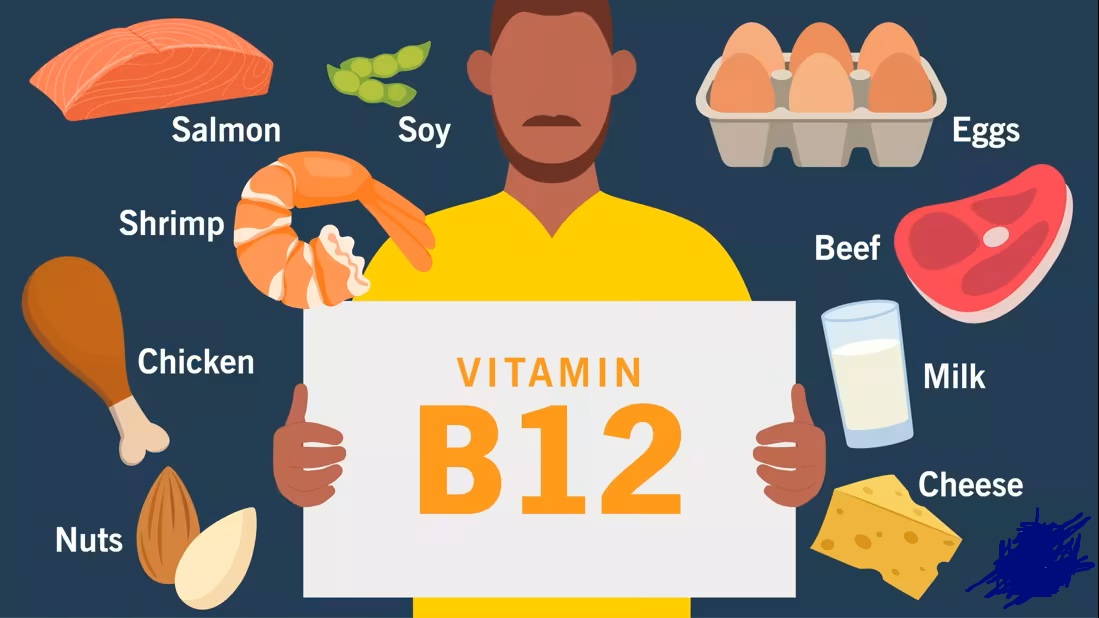
- It is naturally found in animal foods such as fish, meat, poultry, eggs, milk, and milk products.
- It is not present in plant foods unless fortified.
- Essential Role: It acts as a cofactor in DNA synthesis, the formation of Red Blood Cells (erythropoiesis), and the maintenance of the myelin sheath (the protective covering of nerves).
- Metabolic Function: It converts homocysteine into methionine, regulating amino-acid metabolism.
- Absorption: Intestinal absorption requires binding to intrinsic factor (IF), a protein secreted by the parietal cells in the stomach lining.
- Sources: It is synthesised by some bacteria and occurs naturally only in animal-derived foods (meat, fish, eggs, dairy); it is not naturally present in plant foods.
Vitamin B12 Deficiency
- Global Prevalence: In developed countries, it mainly affects the elderly, with a prevalence of 6%.
- India’s Burden: In India, deficiency affects nearly 47% to 53% of the population across all age groups.
- Underdiagnosis: Non-specific symptoms such as fatigue, numbness, or poor concentration, along with prolonged liver storage, delay detection until advanced deficiency.
Major Causes of Deficiency in India
- Dietary Habits: The most common cause in India is a vegetarian or vegan diet lacking fortification.
- Cooking Patterns: Low milk intake and prolonged boiling reduce the availability of dietary vitamin B12.
- Drug Effects: Long-term use of diabetic medications (metformin) and antacids suppresses stomach acid, impairing vitamin B12 absorption.
Major Health Effects
- Megaloblastic Anaemia: Impaired DNA synthesis causes RBCs to become abnormally large (megaloblasts) and immature, leading to chronic fatigue.
- Demyelination: Inadequate formation of the myelin sheath leads to subacute combined degeneration of the spinal cord, causing neuropathy and gait imbalance.
- Psychiatric Disorders: Severe deficiency causes depression, paranoia, and memory loss in the elderly; it can lead to dementia and cognitive decline.
- Cardiovascular Risk: Low B12 raises homocysteine, damaging artery linings and increasing early heart attack and stroke risk.
- Maternal Complications: Deficiency during pregnancy increases the risk of Neural Tube Defects (NTDs), causing abortions and low birth weight.
- Child Development: Childhood deficiency impairs brain development, attention, and muscle strength.
Key Government Initiatives
- Food Fortification: The government mandates supplying fortified rice with iron, folic acid, and B12 through PDS, PM-POSHAN, and ICDS schemes.
- Anaemia Mukt Bharat: A “6x6x6” strategy that focuses on six age groups; while traditionally iron-focused, it now emphasises B12 and Folate to tackle “nutritional anaemia” holistically.
- Mission Poshan 2.0: A flagship programme aimed at improving maternal and child nutrition through community engagement and behaviour change.
- FSSAI Standards: The +F logo on food products helps consumers identify staples like milk or oil fortified with B12 and other micronutrients.
POSTED ON 06-01-2026 BY ADMIN
Next previous  General Studies
Political Science and International Relations
Some Reference Essays
List of previous year essay topics (1997-2019)

IAS GOOGLE is googled by the team of Raja Sir’s Cracking IAS Academy. Sources include The Hindu, Indian Express, pib.nic.in, Down To Earth, Economic Times, Vigyan Prasar, AIR and the like. IAS GOOGLE has been prepared in pace with emerging UPSC Trends.