
- Inauguration of “The Light and The Lotus: Relics of the Awakened One”, and the recent repatriation of priceless Buddhist relics highlights India’s soft power.
- The Prime Minister of India inaugurated “The Light and The Lotus: Relics of the Awakened One”, an international exposition of the sacred Piprahwa relics associated with Lord Buddha in New Delhi this month. The site is widely identified with ancient Kapilavastu, associated with the early life of Gautama Buddha.
- The event coincided with the recent repatriation of priceless Buddhist relics that had been taken out of India during the colonial period and were nearly auctioned abroad.
- The episode highlights India’s approach to cultural diplomacy, heritage protection, repatriation of antiquities, and Buddhist soft power.
Significance of the PM’s Message
Strength with humanity:
- The PM emphasised that strength is necessary against “enemies of humanity”, but dialogue and peace are essential where disputes exist.
- This reflects India’s foreign policy doctrine of strategic restraint combined with moral leadership.
Buddha’s philosophy as India’s core worldview:
- Buddha’s idea of “walking together instead of conflict and dominance” was described as India’s guiding philosophy in the 21st century.
- The principle of “Sarvajan Hitaya, Sarvajan Sukhaya” (welfare and happiness of all) was reiterated as India’s civilisational ethos.
Piprahwa Relics – Historical Background
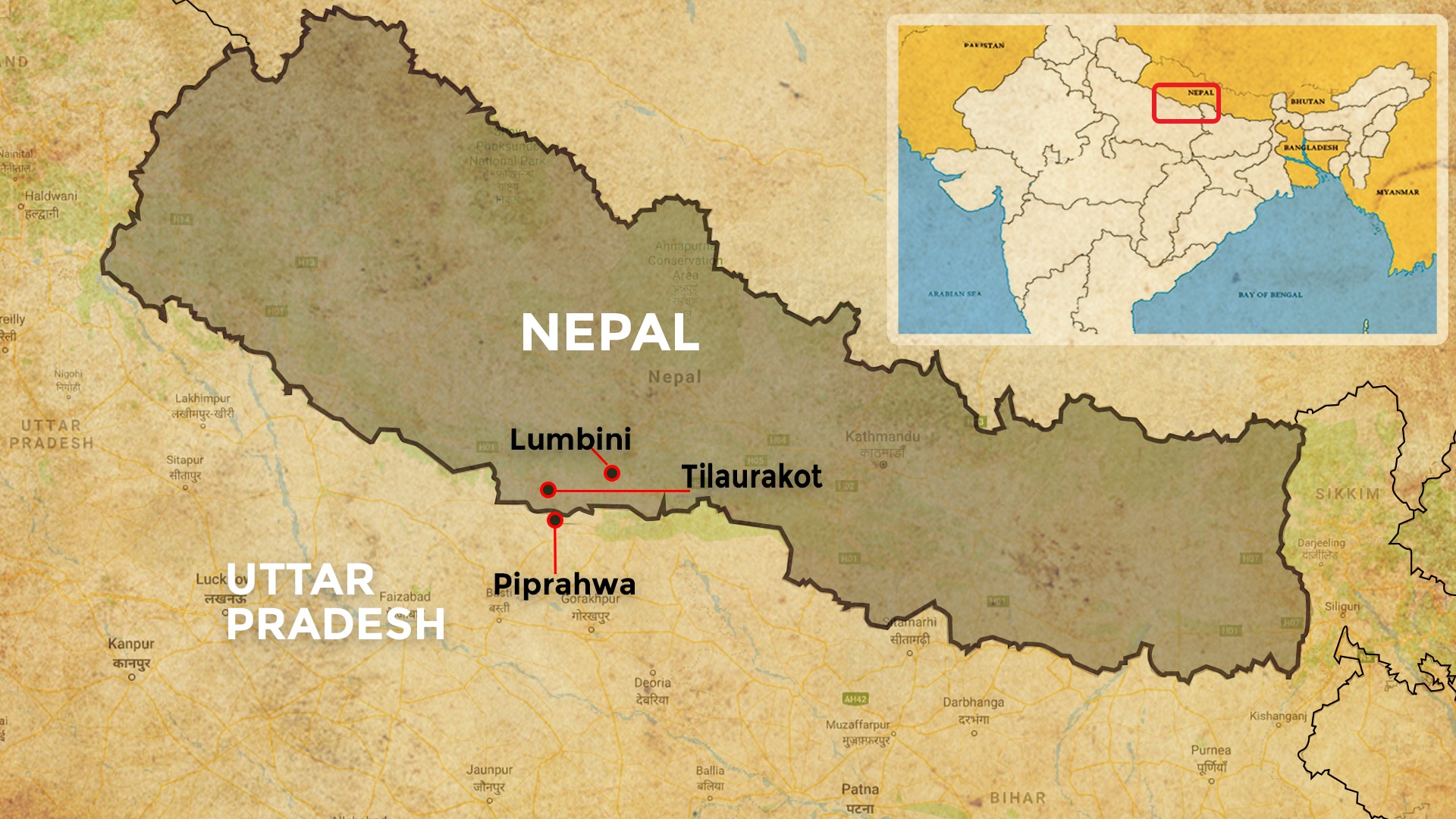
- Excavated in 1898 by William Claxton Peppé from a Buddhist stupa at Piprahwa (Siddharthnagar district, Uttar Pradesh), near Nepal.
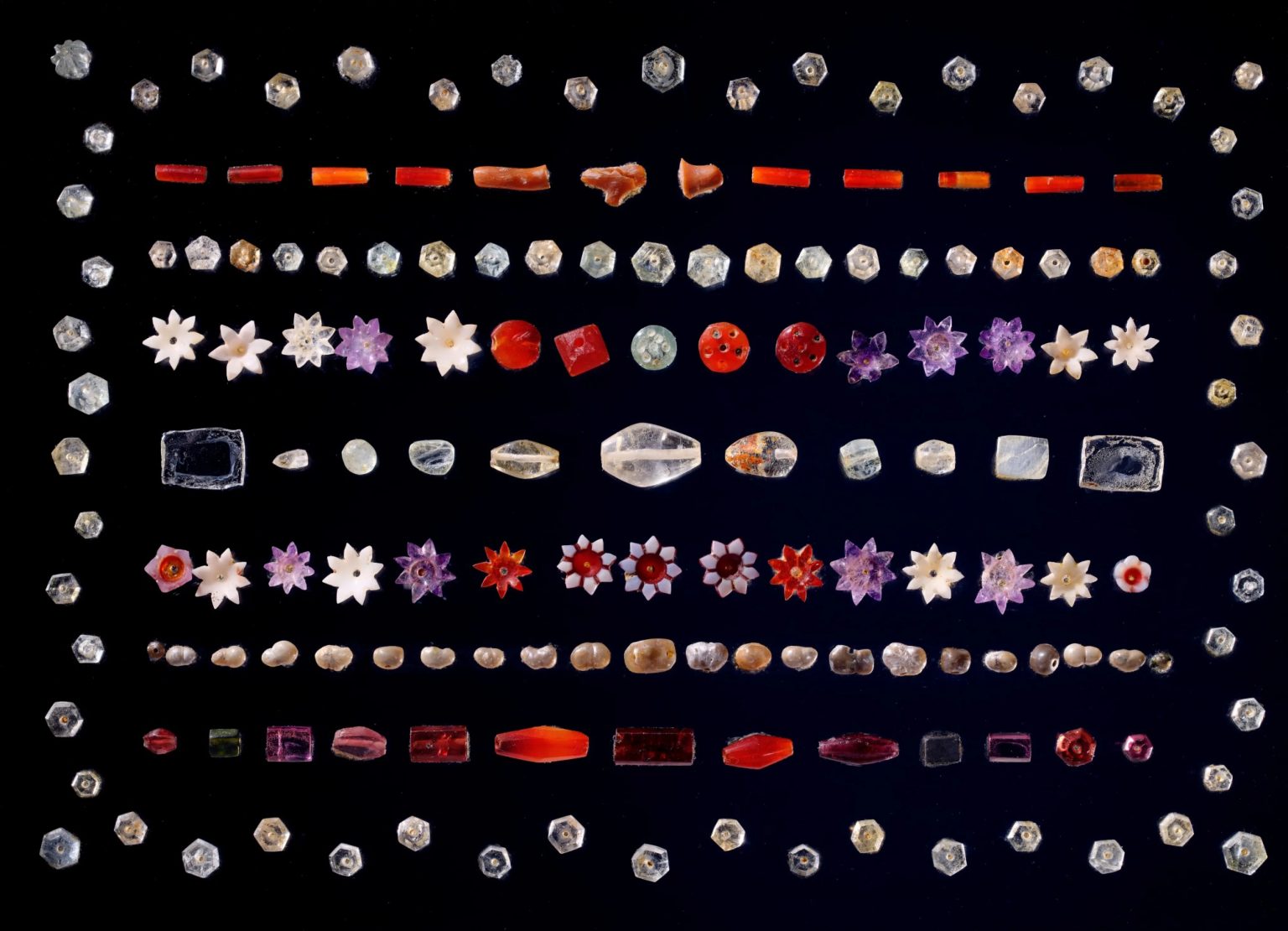
- Include: 349 gemstones (pearls, rubies, sapphires, topaz, gold sheets). Bone fragments and ash believed to be of Lord Buddha. Reliquaries, sandstone coffers, soapstone and crystal caskets.
Colonial-era dispossession:
- Under the Indian Treasure Trove Act, 1878, the British Crown claimed most relics.
- A portion remained with the Peppé family and was held privately for over 127 years.
Rescue from Auction and Repatriation (2025)
Threat of auction:
- Sotheby’s Hong Kong listed the relics for auction in 2025, with an estimated value of over $100 million.
- The relics were treated as “antique collectibles”, ignoring their religious and civilisational value.
India’s response:
- The Ministry of Culture issued a legal notice demanding cessation of the auction.
- Asserted that the relics are inalienable religious and cultural heritage protected under Indian law and international conventions.
- Archaeological Survey of India (ASI) and diplomatic channels were activated.
Innovative resolution:
- Godrej Group purchased the collection. Relics were returned to India, and loaned to the National Museum for five years.
- This avoided ethical issues of the State commercially purchasing sacred antiquities.
Shared Buddhist Heritage and India’s Soft Power
Global spiritual connect:
- Relics inspired millions of devotees during exhibitions in Thailand, Mongolia, Vietnam, Russia, etc.
- The PM noted that Indian officials were respected globally as representatives of the “Land of Buddha”.
Symbolic diplomacy:
- India gifted Bodhi tree saplings to countries such as China, Japan, Korea, Mongolia.
- Special mention – A Bodhi tree in Hiroshima, symbolising peace after nuclear devastation.
- Preservation of Buddhist Heritage
International efforts:
- Restoration of 11 pagodas in Bagan (Myanmar).
- Assistance to Nepal after earthquake damage to heritage sites.
Domestic initiatives:
- Development of a Buddhist Circuit connecting key pilgrimage sites.
- Promotion of Pali as a classical language.
- Infrastructure projects to improve accessibility and conservation of Buddhist sites.
Challenges associated with the piprahwa relics and their exhibition
- Colonial legacy of museum practices: Indian museums continue to be influenced by colonial traditions that prioritise static display, visual consumption, and objectification, often ignoring the sacred and living dimensions of religious relics.
- Balancing sacred use and scientific conservation: A major challenge lies in reconciling devotional practices such as prayer, chanting, and proximity with modern conservation standards that emphasise controlled environments and minimal handling.
- Institutional and human resource constraints: Many cultural institutions lack trained interdisciplinary professionals, including experts in heritage ethics, anthropology, conservation science, and public interpretation, limiting holistic relic management.
- Commercialisation of sacred objects by auction houses: Balance legal, ethical, and spiritual considerations in recovery efforts.
- Limited enforceability: Of UNESCO conventions for pre-1970 removals. Create a comprehensive global database of stolen/alienated Indian antiquities. Expand cultural diplomacy through Buddhism, yoga, and civilisational narratives.
- Legal and regulatory gaps: Existing heritage laws are often outdated and fragmented, making it difficult to address contemporary concerns such as restitution, ethical display, and cross-border cultural claims.
- Risk of illicit trafficking: High-value relics remain vulnerable to smuggling networks and organised crime, particularly in the absence of strong surveillance, documentation, and community participation.
Conclusion
- The return of the Piprahwa relics is more than a recovery of antiquities—it is a civilisational reclamation.
- By blending moral authority, legal assertion, cultural diplomacy, and innovative partnerships, India has reaffirmed its role as the custodian and living carrier of Buddha’s legacy.
- The episode reinforces India’s global image as a nation that seeks peace through dialogue, strength with restraint, and unity through shared heritage—a message deeply relevant to both contemporary geopolitics and India’s ancient wisdom